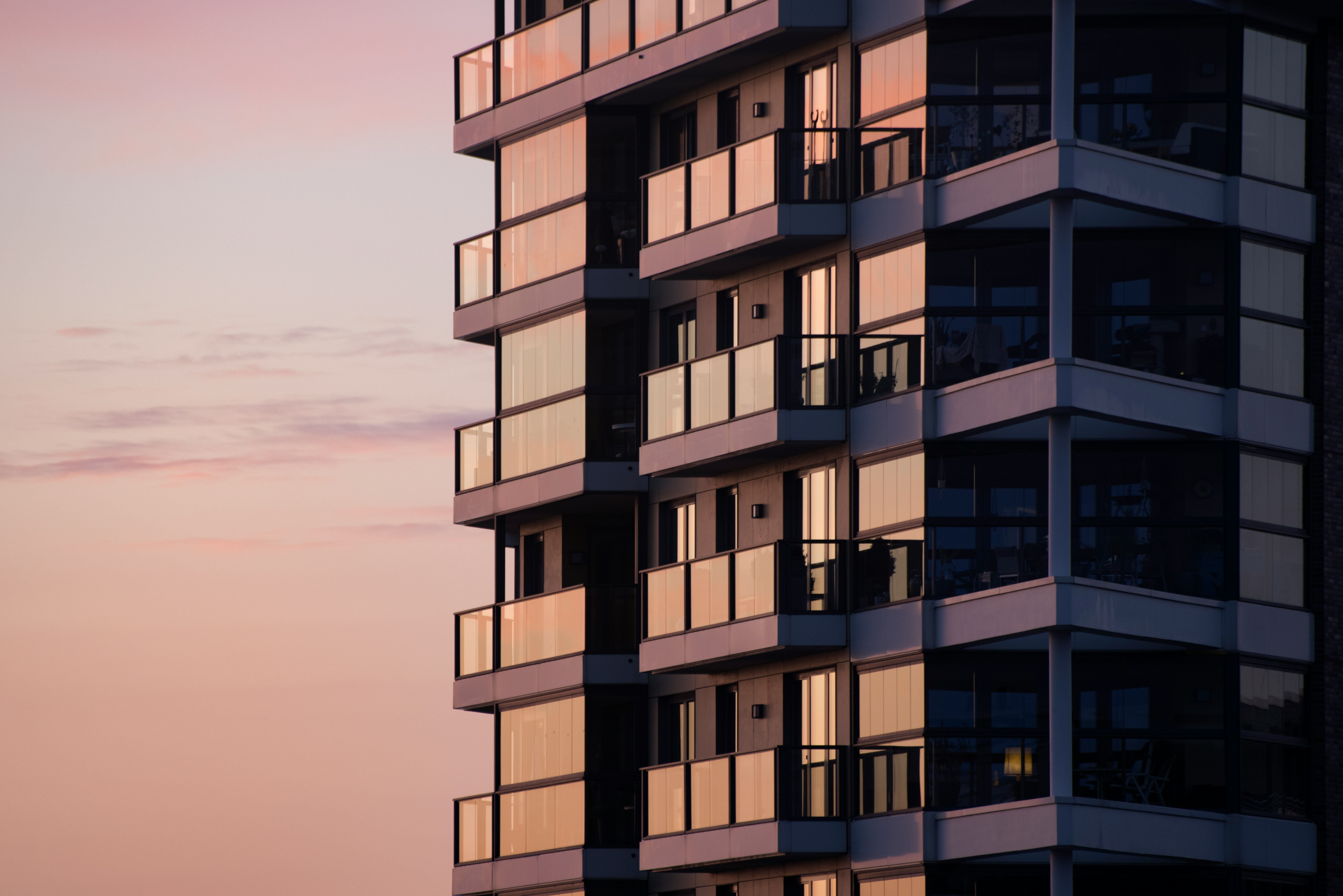
You probably weren't thinking about a national trend when you bought the place. You were thinking about the commute, the light in the kitchen, and whether the levies were going to hurt.
Here is the trend anyway. Over the next 25 years, the way you live is on course to become the way most Australians live, and the quality of how apartment buildings are run stops being a niche concern.
What the numbers say, and where they come from
The City Futures Research Centre at UNSW conservatively estimates that 15% of Australian residents live in strata-titled property. The Strata Community Association put it higher in 2022, at approximately one in five, and expected the proportion to reach nearly half of Australians by 2050. That happens to be the year most net zero targets fall due, which is why the SCA was counting, but the demographic point stands on its own.
The stock is young and getting more complicated. City Futures finds that half of all strata schemes in Australia have been registered since 2000, with building size, scheme structure and governance all growing more complex over that period. Insured building value across Australian strata comes to $1.4 trillion. When the ABC opened its investigation into strata management in March 2024, it put the scale plainly: three million Australians own apartments and belong to some 350,000 schemes around the country.
The pipeline points the same way. Charter Keck Cramer, which forecasts apartment supply, estimates Australia will need "at least 72,000 and closer to 78,000" build-to-sell and build-to-rent apartments completed each year to meet federal and state housing targets. Nobody expects that every year. The direction of travel is settled regardless.
The housing debate stops at the front door
Almost every public argument about Australian housing is an argument about supply. Heights, setbacks, approval times, infrastructure charges, interest rates, who is allowed to object. It is a real argument and worth having.
What almost nobody argues about is who runs the buildings afterwards. A tower gets four years of planning fights, then 60 years of levy notices, insurance renewals, roof membranes and quorum problems, and the second half never makes the news unless something falls off it. That second half is where people live. We made the case for living closer on the research: shared housing is lower impact, healthier and more prosperous, and none of it happens by itself. Governance is the variable.
Your building is a small company, and nobody applied for the job
Legally, a strata scheme sits closer to a company than to a club. It raises money by compulsory levy, holds funds, signs contracts, insures a multimillion dollar asset, engages tradespeople and can be sued. The 2025 Strata Futures roundtable report calls schemes "unlimited liability corporations" mostly run by unpaid volunteers, which is blunt and hard to argue with.
The board is the committee. In New South Wales it can be anything from 1 to 9 members; in Queensland, 3 to 7 voting members under the Standard Module; in Victoria, an owners corporation with fewer than 10 occupiable lots need not have one at all. Members are elected once a year from the owners willing to put a hand up, which in most buildings is a short list. Nobody sits an exam. The treasurer who reads the capital works plan properly is usually the one who reads plans like that for a living.
This is not a complaint about volunteers. It is a description of what the country has decided to rely on. Roughly half of Australia's future housing will be maintained, insured and financed by committees of neighbours deciding things on a Tuesday evening after work.
The fixes are unglamorous, which is why they get skipped
The things that make a scheme run well are boring, and most of them are free.
- Records that outlast a committee. A decision log, a maintenance history and minutes someone can find in three years. Committees turn over every year or two, and without a written trail the new one relitigates what the old one settled.
- A plan that is funded, not merely written. New South Wales schemes need a 10 year capital works fund plan, reviewed at least every 5 years. A Queensland body corporate budgets its sinking fund against major spending for the current year plus at least 9 more. Victorian tier 1 and tier 2 owners corporations (more than 50 occupiable lots) need a 10 year maintenance plan and a fund behind it. Having the document is the easy half. Matching the levy to it is the half that gets deferred, which is worth knowing before your next notice arrives: here is what sits inside a levy in New South Wales and in Queensland.
- Information owners can see. New South Wales, Victoria and Queensland all give owners a right to inspect the scheme's records. Few buildings make that right unnecessary by publishing the finances, the plan and the open jobs where any owner can read them without asking.
None of that needs a change in the law. It needs someone to write things down and someone else to be able to find them later.
What one owner can do this year
Pick two of these. Ask for the capital works, sinking fund or maintenance plan and read the pages where the money lands in the next five years. Find the date of the last insurance valuation. Ask the committee to publish the finances and the maintenance list somewhere every owner can see them, rather than on request. Work out whether your building really has the people and the hours it needs, which is what our self-management checklist is for, even in buildings that keep a manager. Then put your hand up at the AGM, because the shortage in most buildings is of volunteers rather than opinions.
Half the country is heading into these buildings. The ones that run well will mostly be the ones where somebody was curious enough to open the file.
Quarter is built for that half of the story: owner-first software for buildings people share, alongside a manager or instead of the paperwork.